
What Is Post Operative Rehab and Why Is It Essential for Recovery
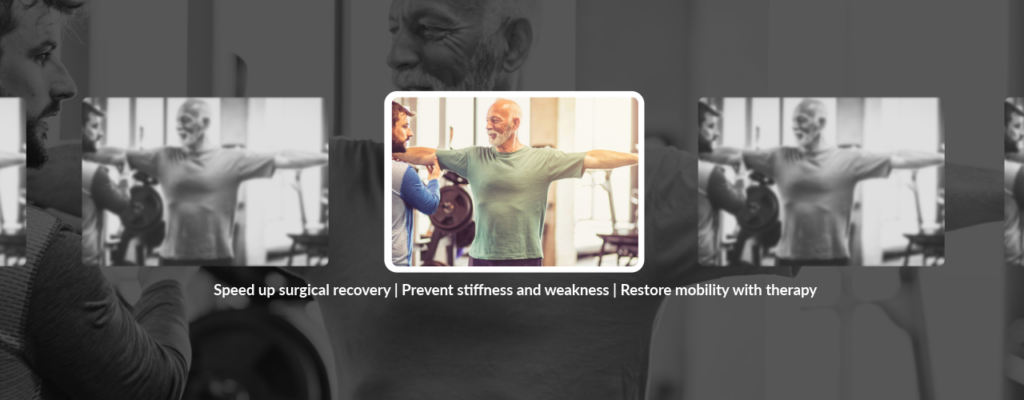
After surgery, many patients assume rest is the best path to healing. While rest is important, recovery requires much more than time. Muscles lose strength, joints stiffen, and balance changes when the body remains still for too long. That is where post operative rehab comes in. Guided physical therapy after surgery helps restore movement, reduce pain, and rebuild confidence so you can return to daily life safely.
Understanding Post Operative Rehabilitation
Post operative rehab refers to structured recovery programs designed to help patients regain strength, mobility, and function following surgery. It focuses on re-educating the body to move correctly, managing pain, and preventing complications such as stiffness or muscle atrophy.
Physical therapists tailor each program to the type of surgery, individual goals, and overall health. Whether recovering from joint replacement, ligament repair, or spinal surgery, the goal remains the same: restore normal movement and help patients resume their activities as safely and efficiently as possible.
Why Rehab Matters After Surgery
Surgery repairs physical damage, but rehabilitation ensures the body heals correctly afterward. Without guided movement, muscles can weaken and joints can become stiff, making everyday activities more difficult.
Key Benefits of Post Operative Rehabilitation
Improved Circulation
- Gentle movement prevents swelling and supports healing tissues.
Pain Reduction
- Physical therapy uses safe techniques to decrease discomfort without relying solely on medication.
Restored Mobility
- Stretching and manual therapy improve range of motion around surgical areas.
Strength Recovery
- Progressive exercises rebuild stability and control.
Confidence and Independence
- Patients learn how to move safely at home and return to normal routines.
These benefits make rehab an essential part of every surgical recovery plan.
The Phases of Post Operative Rehab
Rehabilitation typically progresses through several stages, each building on the one before.
Phase 1: Early Recovery
Immediately after surgery, the focus is on reducing pain and swelling. Therapists may introduce gentle exercises to maintain blood flow and prevent stiffness. Education on posture, safe movement, and wound care is also provided.
Phase 2: Restoring Mobility
Once pain levels decrease, the next step is improving flexibility and movement in the affected area. Controlled stretching and guided motion help re-establish normal joint function while protecting the healing tissue.
Phase 3: Strengthening
As mobility improves, strengthening exercises begin. These target weakened muscles that support the surgical site. Restoring muscle balance reduces the risk of re-injury and prepares the body for normal activity.
Phase 4: Functional Training
In the final stage, patients focus on returning to daily activities such as walking, climbing stairs, or lifting objects safely. Athletes may also work on sport-specific exercises to regain performance.
Each phase is personalized to the patient’s tolerance and progress.
How Physical Therapy Supports Post-Surgical Rehabilitation
At Arvada Physical Therapy, physical therapy plays a vital role in post operative rehab. Therapists assess each patient’s surgical site, overall mobility, and pain level to create a customized treatment plan.
This plan often includes:
- Hands-on manual therapy techniques to reduce stiffness and improve joint movement.
- Progressive strengthening and flexibility routines that match the healing timeline.
- Balance and coordination training that restores stability and prevents falls.
- Pain management strategies, such as gentle stretching, heat, or cold therapy.
- Guidance on proper posture, walking patterns, and activity pacing.
Therapists track progress and make adjustments as healing continues, ensuring every session contributes to a stronger, more functional recovery.
Common Challenges and How Therapy Helps
Recovery after surgery can feel frustrating. Pain, swelling, and fatigue may discourage movement, but avoiding activity can slow healing. Physical therapists understand this balance and provide reassurance along with evidence-informed guidance. Some common challenges include:
Fear of Movement
- Therapists teach safe ways to move that protect surgical repairs.
Muscle Weakness
- Specific exercises rebuild strength gradually and safely.
Scar Tissue Formation
- Manual therapy helps prevent stiffness and improves flexibility.
Limited Endurance
- Therapy includes pacing strategies to rebuild stamina over time.
By addressing both physical and emotional concerns, therapy supports complete recovery.
Long-Term Results
Patients who complete rehab after surgery experience better long-term outcomes. They recover mobility faster, return to work or hobbies sooner, and have fewer complications. Consistent participation in therapy also reduces the chance of re-injury by improving posture, strength, and joint control.
Even after formal therapy ends, patients are encouraged to continue their home exercises and maintain an active lifestyle. Staying consistent keeps the results of rehab lasting and effective.
Move Forward With Confidence
Surgery is the first step toward healing, but recovery depends on what comes next. With expert guidance and consistent care, rehabilitation helps you rebuild strength and return to your best life.
If you are preparing for or recovering from surgery, professional therapy can make all the difference. At Arvada Physical Therapy, our therapists specialize in post operative rehab, helping patients restore strength, mobility, and confidence at every stage of recovery. Contact Arvada Physical Therapy in Arvada, CO today to schedule your evaluation and start your journey toward full recovery.