
Common Myths (and Facts) About Repetitive Strain Injury in Workers
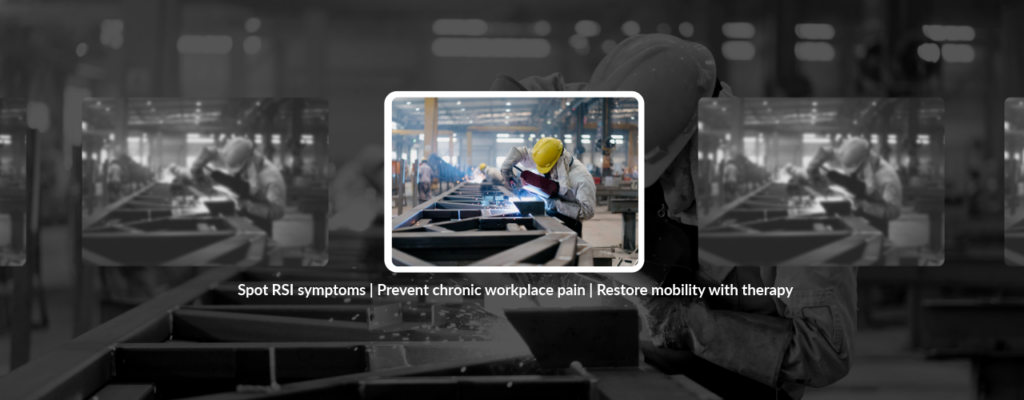
Whether it’s typing at a desk, lifting materials, or performing detailed handwork, repetitive motion is part of many jobs. Over time, these repeated movements can lead to repetitive strain injury, a condition that affects muscles, tendons, and nerves. RSIs develop slowly, often beginning with mild soreness that turns into persistent pain, stiffness, or weakness. Workers in office settings, healthcare, construction, or manufacturing are especially at risk.
Learning what is true and what isn’t about RSIs helps employees take action early and recover more effectively. Below are some of the most common myths about repetitive strain injuries and the facts that clarify them.
Myths About Repetitive Strain Injury
Myth 1: Repetitive Strain Injury Only Happens to Athletes
Fact: Anyone who performs repetitive tasks can develop RSI. Typing, using a mouse, scanning items at checkout, or gripping tools for long hours all place stress on the same muscle groups. The injury results from repeated microtrauma, not just athletic performance. Workers who sit or stand in the same position for extended periods are just as vulnerable as those who play sports.
Myth 2: Pain Will Go Away with Enough Rest
Fact: While rest can temporarily reduce irritation, it does not address the root cause. Without treatment, the pain often returns once regular activity resumes. Physical therapy helps restore muscle balance, improve joint mobility, and teach ergonomic techniques that prevent recurrence. Structured movement encourages tissue repair and promotes long-term healing better than complete rest.
Myth 3: Surgery Is the Only Way to Fix RSI
Fact: Most cases of repetitive strain injury respond well to conservative care. Physical therapy uses hands-on techniques, targeted exercises, and movement retraining to reduce inflammation and strengthen affected areas. Surgery is rarely needed unless severe nerve compression or tissue damage is present. Early rehabilitation reduces the likelihood of chronic pain and minimizes time away from work.
Myth 4: Only Hands and Wrists Are Affected
Fact: Although the wrist and forearm are common sites, RSIs can affect the neck, shoulders, elbows, or even the lower back. Any area exposed to repeated strain, poor posture, or vibration can develop symptoms. For example, prolonged sitting may lead to back strain, while frequent reaching can irritate shoulder tendons. Understanding how the entire body contributes to movement is essential for effective recovery.
Myth 5: Repetitive Strain Injury Is a Minor Issue
Fact: Left untreated, RSIs can become chronic and limit productivity, comfort, and quality of life. Ongoing pain may cause workers to compensate with poor movement habits, which can lead to further injury. Taking early steps to manage symptoms can prevent long-term disability and help employees stay active at work. Addressing RSI promptly benefits both the worker and the workplace by reducing absenteeism and improving performance.
How Physical Therapy Helps Workers Recover
Physical therapy plays a vital role in treating repetitive strain injury. One of our licensed therapists evaluates muscle balance, posture, and movement patterns to identify the cause of irritation. Treatment often includes manual therapy, stretching, strengthening, and ergonomic education. Therapists also design workplace-friendly modifications and home programs that allow healing without disrupting daily responsibilities.
Find Relief and Prevention at Arvada Physical Therapy
If you are experiencing symptoms of repetitive strain injury, don’t ignore them. Early care can restore comfort and help you continue working safely. The rehabilitation specialists at Arvada Physical Therapy create personalized treatment plans that address your pain and teach strategies to prevent future flare-ups. Contact our Arvada, CO team today to learn how we can help you move comfortably and stay productive.